
In fastener selection and procurement, different types of “round” screws are often the most easily confused. While they all appear circular from the top, their side profiles, head heights, curvatures, and bearing surface areas vary significantly. Choosing the wrong head style can lead to tool slippage (cam-out) at best, or cracked workpieces at worst. In this guide, we break down the professional terminology and geometric differences of these common head styles to help you make the right selection for your application.
What is a truss head screw?
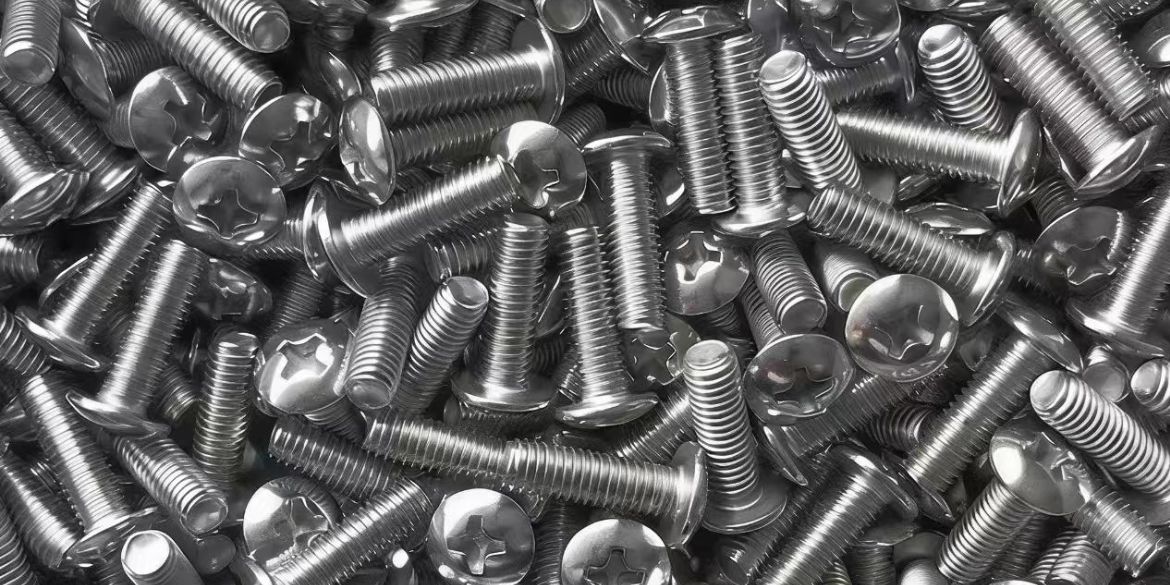
Truss head screws are also commonly referred to in the industry as “mushroom head” or “umbrella head” مسامير. They feature an ultra-low-profile, gently sloped top that flows smoothly down to a flat bearing surface.
This design provides a larger bearing surface area while maintaining a low head height, which effectively distributes the clamping force. This prevents fragile or soft materials from deforming, cracking, or being pulled through under localized high pressure. Additionally, the smooth, rounded head is highly resistant to snagging when exposed, resulting in a cleaner, more streamlined look.
What is a pan head screw?
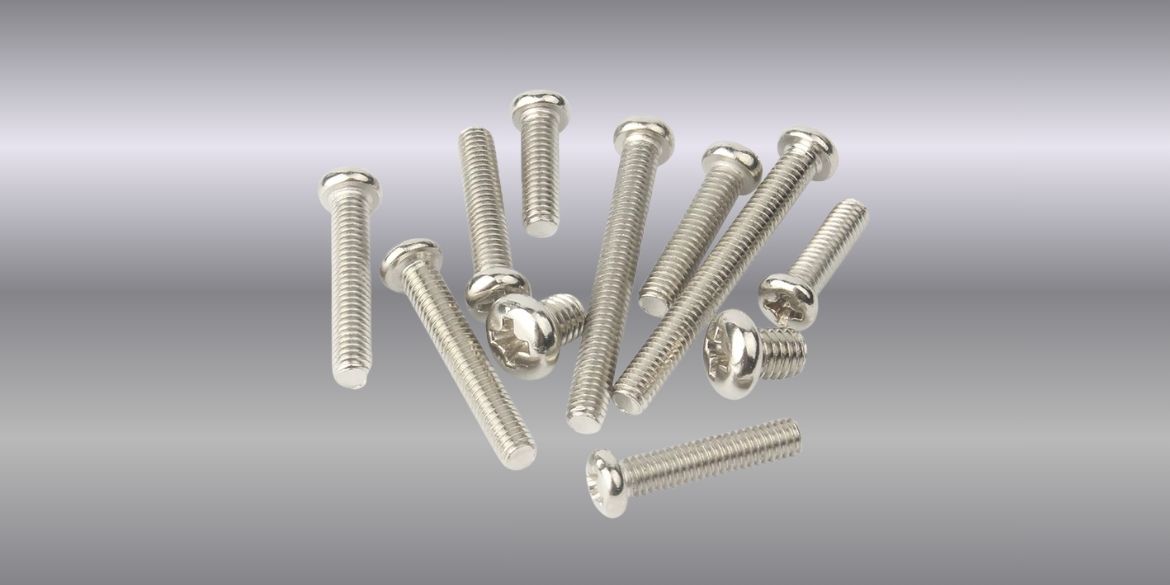
Unlike the wide-and-flat design of a truss head screw, the most distinctive feature of a pan head screw is its thick, semi-cylindrical head with a much narrower diameter. When viewed from the side, it has a slightly rounded top, nearly vertical sides, and a completely flat underside, resembling an inverted shallow pan.
This design allows for a deeper drive recess (such as Phillips or Torx), enabling the screw to withstand higher tightening torque during assembly with a lower risk of cam-out. At the same time, the narrower outer diameter reduces the surface area, while the robust, thick-headed structure offers excellent shear and impact resistance.
Truss Head vs. Pan Head Screw Comparison Sheet
| Feature | Truss Head Screw | Pan Head Screw |
| Side Profile | Low profile (Flatter, sits close to the surface) | High profile (Thicker, noticeably protrudes) |
| Head Diameter | Wide (Typically over 2x the thread diameter) | Standard (Narrower, saves horizontal space) |
| Bearing Surface Area | Extremely wide (Over 40% larger than a same-size pan head) | Moderate |
| Drive Recess Depth | Shallow (Limited by head thickness) | Deep (Allows deeper, more secure tool engagement) |
| Torque Limit | Lower (Prone to cam-out/slippage under high torque) | High (Withstands high-torque power fastening) |
| Load Distribution | Excellent (Even clamping force, prevents cracking in soft materials) | Moderate (More concentrated pressure) |
| Pull-through Resistance | Excellent (Wide base securely grips the mounting hole) | Moderate (Thin sheets may get pulled through under heavy load) |
| Need for Flat Washer | No (The wide base acts as an integrated washer) | Yes, typically required when fastening soft or thin materials |
Selection Guide: Choosing the Right Screw Head and Material
- Space Constraints
Vertical Clearance Constraints (Truss Head Recommended)
- When to choose: Use a truss head when the vertical clearance is extremely tight and a protruding screw head is not allowed. Its ultra-low profile sits close to the surface, preventing friction and collision with moving parts.
- Typical Applications: Server rack slides, drawer glides, folding hinges, and thin internal chassis enclosures.
Horizontal Width Constraints (Pan Head Recommended)
- When to choose: Use a pan head when the space around the mounting hole is tight and a wide screw head won’t fit. Its narrower head diameter avoids edge interference, ensuring the screw can be fully driven without being blocked by adjacent sidewalls.
- Typical Applications: Tight corners, high-density terminal blocks, and tightly packed electronic component brackets.
- Fastened Materials
Fragile or Deformable Materials (Truss Head Recommended)
- When to choose: When fastening directly into fragile materials without using a flat washer, choose a truss head. Its wide, flat base distributes clamping force evenly, preventing localized pressure from cracking, crushing, or deforming the substrate.
- Typical Applications: Acrylic displays, plastic control panels, thin sheet metal, fiberboard, and drywall.
High-Hardness Rigid Materials (Pan Head Recommended)
- When to choose: When fastening strong materials that resist deformation and require maximum clamping force, choose a pan head. Its robust head handles high torque from power tools without stripping, ensuring a secure, rigid joint.
- Typical Applications: Thick steel plates, heavy-duty metal castings, and hardwood structural assemblies.
- Screw Material and Environment
Outdoor or Wet Environments (Stainless Steel Recommended)
- When to choose: For applications with long-term exposure to air, moisture, or chemicals, opt for stainless steel (such as 304 or 316). This prevents rust and structural failure while avoiding unsightly rust stains on the equipment surface.
- Typical Applications: Outdoor billboards, exterior wall brackets, metal electrical enclosures, bathroom fixtures, and medical devices.
Dry Indoor or Heavy-Duty Structures (Carbon Steel Recommended)
- When to choose: For dry indoor environments or high-load applications requiring superior hardness and tensile strength, choose coated carbon steel. It offers higher mechanical strength and is highly cost-effective.
- Typical Applications: Indoor motor assemblies, heavy machinery frames, and non-exposed internal components of home appliances.
Other Head Type Comparisons
Pan Head vs. Button Head
The main difference between these two is their outer profile. A Pan Head has steep, vertical sides with a slightly flat top, giving it a blocky, industrial appearance. In contrast, a Button Head features a smooth, gently curved dome with no sharp vertical edges. Because of this rounded shape, Button Heads are much less likely to snag on clothing or scratch skin, making them the standard choice for exposed touchpoints on consumer goods like bicycles and furniture, whereas Pan Heads are typically used for internal or purely industrial assemblies.
Pan Head vs. Round Head
While “round head” is often used colloquially to describe any curved screw, in technical standards, “Round Head” refers to an obsolete, high-profile hemispherical design. Compared to a modern Pan Head, the legacy Round Head is much taller and bulkier, which frequently causes clearance issues in tight spaces. Additionally, its underside lacks the perfectly flat bearing surface of a Pan Head, resulting in weaker clamping and uneven pressure. Consequently, modern manufacturing has almost entirely phased out Round Heads in favor of the more compact and secure Pan Head.
Conclusion
Selecting the right head style for your specific application balances aesthetic appeal with long-term structural integrity. For projects requiring high-volume screw procurement, we are your trusted partner. From standard fasteners to non-standard custom solutions, we offer a comprehensive product range at highly competitive, factory-direct prices. اتصل بنا today to request free samples and get your one-stop procurement solution.
التعليمات
Q1: Can Truss Head and Pan Head screws be used interchangeably?
أ: Yes, provided the thread size is identical, but you must check clearance and material type first. Pan heads are taller and may obstruct moving parts like slides, while they also lack the wide base of Truss heads, meaning you will likely need to add a flat washer to prevent pulling through or cracking soft materials.
Q2: Why do Truss Head screws slip (cam-out) more easily during high-speed installation?
أ: This occurs because Truss heads have a lower profile, which makes their drive recesses, such as Phillips slots, shallower than those of Pan heads. Under high torque or high-speed automated assembly, the screwdriver bit can easily slip out of the shallow slot, so switching to a Torx or Hex drive is highly recommended if high torque is required.
Q3: Does using a Truss Head screw eliminate the need for a flat washer?
أ: While the wide base of a Truss head successfully eliminates the need for flat washers in most soft or thin material applications, you will still need to use them in high-vibration environments to prevent loosening, or if the mounting hole is significantly oversized.




 Arabic
 English
 Spanish
 Russian
 Portuguese